A Global Journey: Archaic Chinese Bronzes
A digital archive documenting Chinese antiquities in global collections and the personal journeys shaped by their discovery.

Blogs
Chapter One: The Bronze Age of China
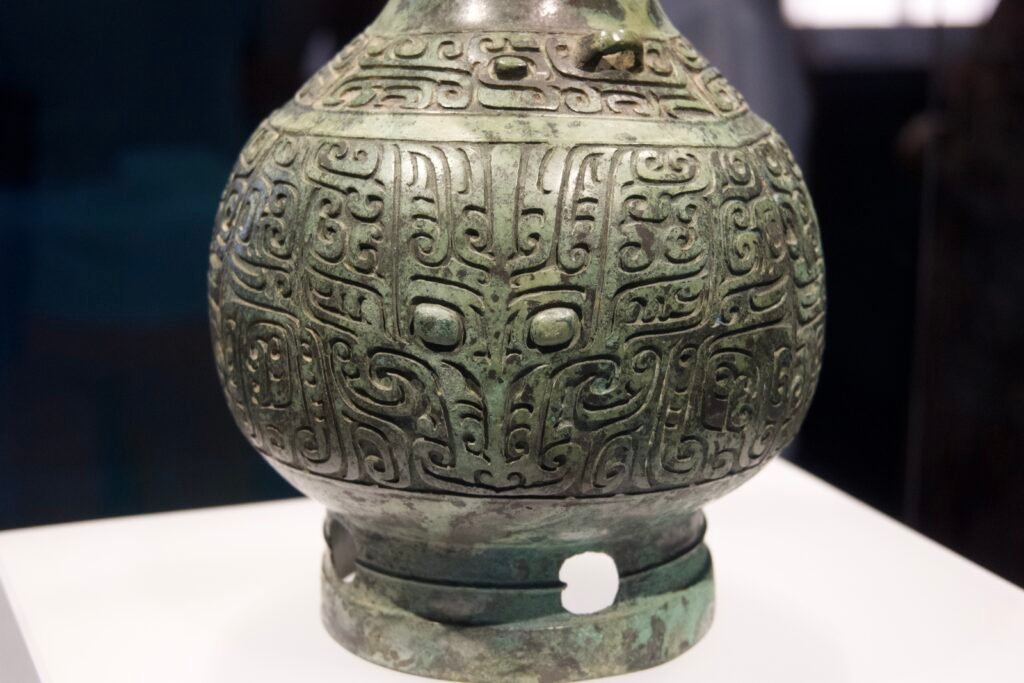
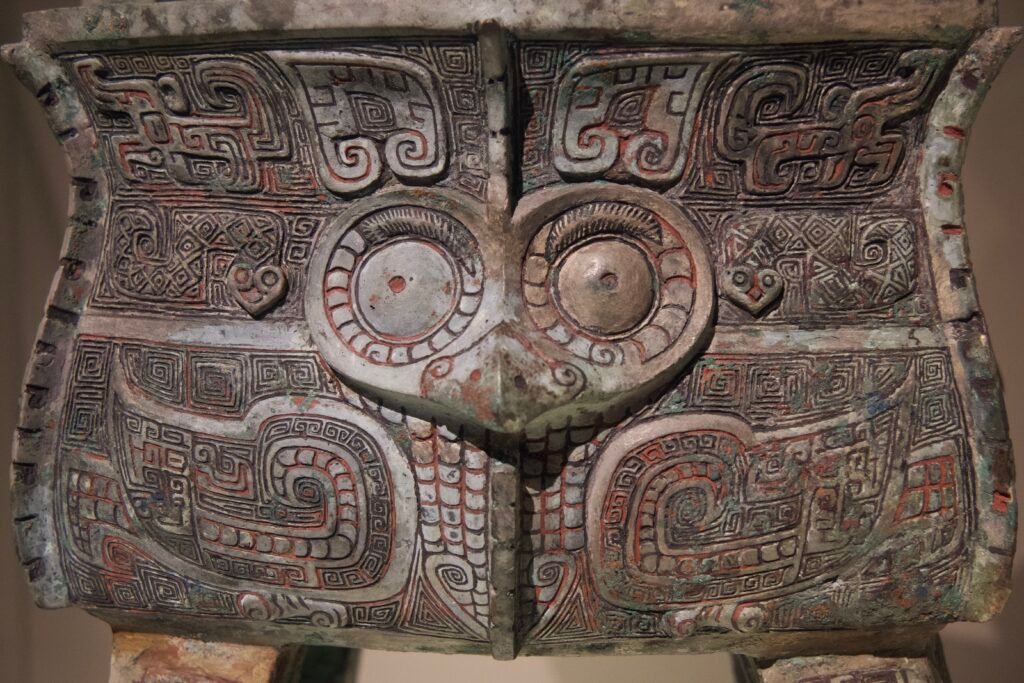
Ancient Chinese bronzes reached their peak during the Shang and Western Zhou dynasties (c. 1600-771 BC). More than mere tools, these ritual vessels utilised advanced piece-mold casting to display intricate Taotie motifs and inscriptions, serving as sacred symbols of political power and ancestral worship.
1. Ritual Significance and Status
Ancient Chinese bronzes were sacred Ritual Vessels (礼器) used to offer food and wine to ancestors. In the strict Liyue (礼乐) system, the number of vessels owned, for example Gui (簋) or Ding (鼎), served as a definitive symbol of rank and political authority.
2. The Mastery of Piece-Mold Casting
Artisans used a unique Piece-Mold technique (范铸法), carving intricate designs into clay molds before pouring molten bronze. This method allowed for the high-relief details and cast-in inscriptions (铭文) that make these artifacts world-renowned.
3. Iconic Symbolism and Totems
The surfaces are usually covered in a mysterious visual language, most notably the Taotie (饕餮) mask. While the true meaning of these stylised animal designs remains unknown today, they are often considered to embody the spiritual beliefs of the early dynasties.
Chapter Two: Selected Museums of Chinese Bronzes
These institutions house world-class collections of ritual bronzes, featuring exceptional craftsmanship from the Shang and Zhou dynasties.
China 中国
- 上海博物馆东馆 (上海) – The Shanghai Museum East (Shanghai)
- 中国国家博物馆 (北京) – National Museum of China (Beijing)
- 中国青铜器博物院 (宝鸡) – China Bronze Ware Museum (Baoji)
United Kingdom
- The British Museum (London)
- Compton Verney (Warwick)
- The Burrell Collection (Glasgow)
Continental Europe
- Musée Cernuschi (Paris)
- Museum Rietberg (Zürich)
- Östasiatiska museet (Stockholm)

Japan 日本国
- 泉屋博古館 (京都府京都市)
- 根津美術館 (東京都港区)
- 奈良国立博物館 (奈良県奈良市)
United States (Ⅰ)
- National Museum of Asian Art (Washington, DC)
- The Metropolitan Museum of Art (New York)
- Harvard Art Museums (Cambridge)
United States (Ⅱ)
- The Cleveland Museum of Art (Cleveland)
- The Nelson-Atkins Museum of Art (Kansas City)
- The Asian Art Museum of San Francisco (San Francisco)
“Stay hungry, stay foolish.”
Steve Jobs (1955-2011)
Contact Information
labuladuopai@gmail.com